
Contents
Overview
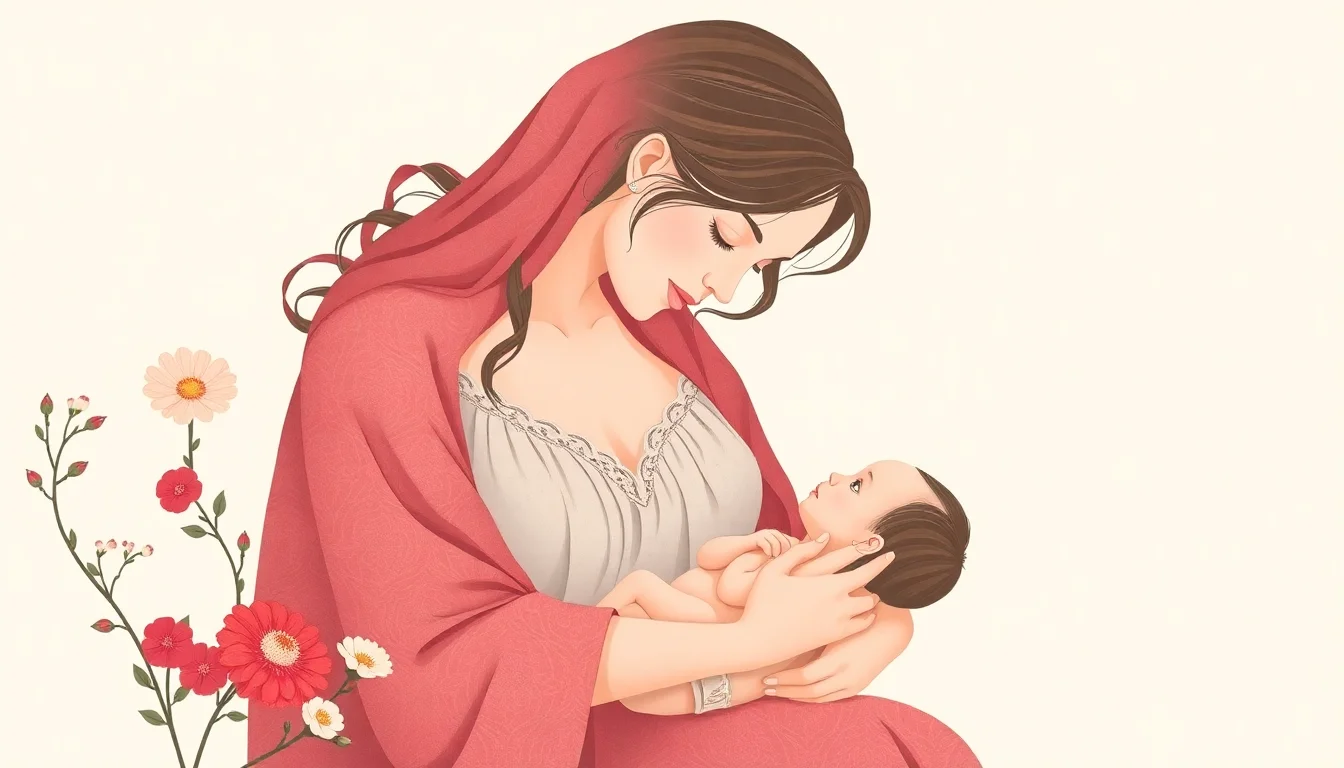
Symbolism in maternal art encompasses a rich tapestry of meanings associated with motherhood, often reflecting cultural, emotional, and psychological dimensions. This form of artistic expression has roots in various traditions, where symbols like the mother and child motif convey themes of nurturing, sacrifice, and unconditional love. Artists such as Frida Kahlo and Mary Cassatt have used maternal imagery to explore personal and societal narratives, intertwining their experiences with broader cultural discourses. The significance of maternal symbols extends beyond aesthetics, influencing contemporary discussions on motherhood, identity, and the female experience in art. As artists continue to engage with these themes, the symbolism in maternal art remains a vital area of exploration, inviting deeper reflection on the complexities of motherhood in modern society.
🎵 Origins & History
Artists like Mary Cassatt began to explore maternal themes more intimately, capturing the emotional bonds between mothers and their children. This shift marked a significant moment in art history, as maternal figures transitioned from mere subjects of representation to complex symbols of identity and experience. The evolution of these symbols reflects changing societal views on motherhood, particularly during the feminist movements of the 20th century, which challenged traditional narratives surrounding women's roles.
⚙️ How It Works
Symbolism in maternal art operates through various visual elements, including color, form, and composition. For example, the use of soft, warm colors often evokes feelings of comfort and safety, while the positioning of figures can suggest intimacy or distance. Artists like Frida Kahlo utilized personal symbolism, incorporating elements from her own life experiences to convey deeper meanings about pain, loss, and resilience in motherhood. Mixed media projects, such as those by contemporary artists, often blend traditional and modern techniques to explore these themes further. The incorporation of symbols like the tree of life or the circle can represent continuity and the cyclical nature of motherhood, emphasizing the interconnectedness of generations.
📊 Key Facts & Numbers
Key facts about symbolism in maternal art highlight its significance in both historical and contemporary contexts. Hashtags like #MaternalArt have gained traction on social media, fostering community discussions. This indicates a shift towards more inclusive representations of motherhood across various cultures.
👥 Key People & Organizations
Key figures in the realm of maternal art include artists like Mary Cassatt, known for her intimate portrayals of mothers and children, and Frida Kahlo, whose work often reflects her personal struggles with motherhood and identity. Organizations such as the National Museum of Women in the Arts promote female artists and their contributions to maternal themes in art. Additionally, contemporary artists like Kara Walker and Yayoi Kusama have explored motherhood through their unique lenses, challenging traditional representations and expanding the dialogue around maternal symbolism. Their works exemplify how maternal art can engage with broader societal issues, including race, gender, and mental health.
🌍 Cultural Impact & Influence
The cultural impact of maternal symbolism in art is profound, influencing not only artistic practices but also societal perceptions of motherhood. This evolution has sparked discussions about the role of women in society, as seen in the works of artists like Tracey Emin, who confronts themes of loss and vulnerability. Furthermore, maternal art has found its way into popular culture, with films and literature increasingly depicting nuanced maternal figures, contributing to a broader understanding of motherhood's challenges and joys.
⚡ Current State & Latest Developments
Currently, the exploration of maternal symbolism in art is experiencing a resurgence, particularly in the context of contemporary feminist movements. Artists are increasingly using their platforms to address issues such as postpartum depression, the pressures of parenting, and the intersectionality of motherhood with race and class. Additionally, social media has become a vital space for artists to share their maternal art, fostering community engagement and dialogue around these themes.
🤔 Controversies & Debates
Controversies surrounding symbolism in maternal art often revolve around the representation of motherhood itself. Some critics argue that traditional depictions can reinforce stereotypes, while others advocate for a more inclusive approach that acknowledges the diverse experiences of mothers. This debate highlights the tension between celebrating motherhood as an ideal and recognizing the complexities and challenges that many mothers face. As artists continue to navigate these discussions, the symbolism in maternal art remains a contested yet vital area of exploration.
🔮 Future Outlook & Predictions
Looking ahead, the future of symbolism in maternal art is poised for further evolution as societal norms continue to shift. Experts predict that as conversations around motherhood become more inclusive, artists will increasingly explore themes related to identity, mental health, and social justice within their work. This could lead to a richer understanding of maternal symbolism that reflects the diverse realities of motherhood across cultures. Additionally, the integration of technology in art-making processes may open new avenues for expression, allowing artists to engage with audiences in innovative ways. The ongoing dialogue surrounding maternal art promises to challenge and redefine traditional symbols, paving the way for new interpretations.
💡 Practical Applications
Practical applications of symbolism in maternal art extend beyond the gallery, influencing areas such as art therapy and community engagement. Programs that incorporate art therapy for mothers have shown positive outcomes in mental health and emotional well-being, utilizing creative expression as a means of processing experiences related to motherhood. Workshops that encourage creative journaling techniques can also empower mothers to explore their identities and experiences through art. Furthermore, community art projects often highlight maternal themes, fostering connections among mothers and encouraging dialogue around shared experiences. These applications demonstrate the transformative power of maternal art in both personal and communal contexts.
Key Facts
- Year
- 2023
- Origin
- Global
- Category
- culture
- Type
- concept